Guides
Commercial cleaning equipment: match the machine to the floor type
Floor type decides the machine. This guide maps nightly tools and periodic equipment to six floor surfaces, with the checks to run before any purchase.
What to take away
- Floor type decides the machine. A swing machine bought for vinyl tile does nothing for polished concrete, and an auto-scrubber bought for a warehouse slab will not strip a waxed corridor.
- Buy against a signed scope, not a supplier list. Periodic machines arrive when periodic work is sold, and not before.
- The closet decides the kit. A building with no lockable closet and no mop sink turns your vehicle into storage and adds minutes to every visit.
- Measure doorways, ramps and charging space before a ride-on machine is ordered. These three numbers kill more purchases than price does.
- Consumables are the real cost of ownershippads, brushes, batteries, filters and belts. Track them per machine so replace-or-repair becomes arithmetic.
Why floor type comes before brand
Two contractors can clean the same square footage with completely different equipment and both be right. The difference is what the floor is made of.
A carpeted office needs vacuums and an extractor. A vinyl-tile corridor needs a swing machine and a burnisher. A warehouse slab needs an auto-scrubber wide enough to finish before the shift starts.
Supplier catalogues are organized by product family, which is the supplier's problem, not yours. Organize your purchasing by floor type, then by the scope you have signed for that floor.
The commercial cleaning equipment checklist covers the staged buying order. This guide goes the other way: it starts at the floor and works back to the machine.
The six floors you will actually meet
Most commercial work in North America lands on six surfaces. Learn what each one tolerates before you buy anything for it.
Six Floors, Tools, Checks
Nightly tool
- Carpet
- Vacuum
- Vinyl tile
- Dust/damp mop
- Polished concrete
- Dust mop, scrubber
- Stone/terrazzo
- Dust, neutral mop
- Sealed wood
- Dust, barely damp mop
- Warehouse slab
- Auto-scrubber
Periodic machine
- Carpet
- Extractor
- Vinyl tile
- Swing, burnisher
- Polished concrete
- Scrubber, burnisher
- Stone/terrazzo
- Swing machine
- Sealed wood
- Usually none
- Warehouse slab
- Same, more often
Check before buying
- Carpet
- Water, drying time
- Vinyl tile
- Furniture, finish disposal
- Polished concrete
- Gloss or just clean
- Stone/terrazzo
- Stone compatibility spec
- Sealed wood
- Exclude refinishing
- Warehouse slab
- Charging, doors, ramps
| Floor type | Nightly tool | Periodic machine | Check before buying |
|---|---|---|---|
| Carpet | Upright or backpack vacuum | Hot-water extractor, portable or truck-mounted | Water source on site, drying time the customer will accept |
| Vinyl composition tile | Dust mop and damp mop | Low-speed swing machine to strip, burnisher for finish | Who moves furniture, where stripped finish goes |
| Polished concrete | Dust mop, auto-scrubber at scale | Auto-scrubber with the right pad, burnisher for gloss | Whether the building wants gloss or just clean |
| Stone and terrazzo | Dust mop and neutral damp mop | Swing machine with stone-appropriate pads | Product compatibility with the stone; ask for the customer's specification |
| Sealed wood | Dust mop and barely damp mop | Usually none in a janitorial scope | Whether the scope should exclude refinishing entirely |
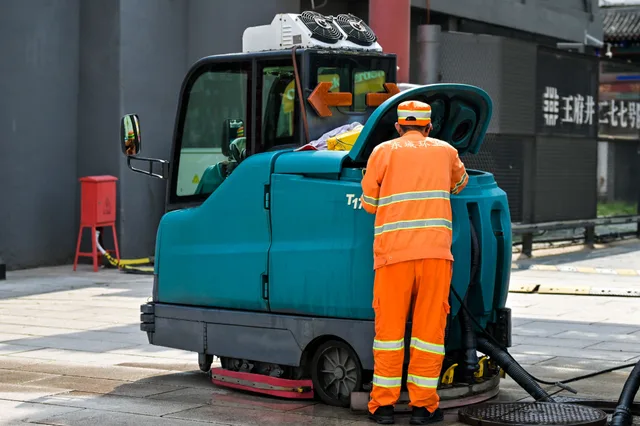
| Warehouse slab | Ride-on or walk-behind auto-scrubber | The same machine, run more often | Charging space, doorway widths, ramp grades |
A machine that serves one row and no signed account is a monthly payment with nothing behind it.
Carpet: vacuums first, extractor later
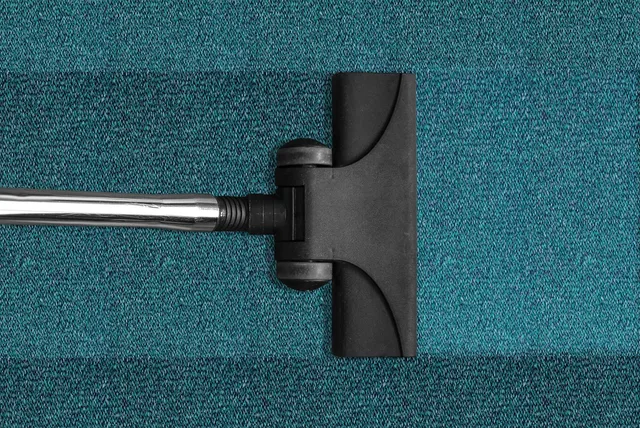
Carpet is the cheapest floor to enter and the easiest to under-equip. A commercial upright or a backpack vacuum handles nightly soil. A backpack wins in dense cubicle farms; an upright wins where the operator pushes long open runs.
Extraction is periodic work, sold on its own calendar. A portable extractor suits buildings with a water source and a place to park. A truck-mounted unit suits routes with several carpeted accounts close together, because the machine never leaves the vehicle.
Before you buy either, confirm two things: where the water comes from, and how long the customer will accept the carpet being out of service. Drying time is the constraint that decides portable versus truck-mounted.
Vinyl composition tile: the stripping floor
VCT is the floor that pays for a swing machine. Nightly work is dust mopping and damp mopping. Periodic work is stripping old finish and laying new finish, and that needs a low-speed swing machine with the right pad.
A burnisher brings the finish up to gloss between strips. It runs fast and dry, and it is the machine most likely to be bought too early, because a customer who wants shine will ask for it before the strip cycle is due.
Two questions decide the purchase. Who moves the furniture, and where does the stripped finish go? A building that will not let you discharge spent stripper into its drain changes the job more than the machine does.
Concrete, stone and wood: the floors that punish the wrong pad
Polished concrete is forgiving nightly and unforgiving periodically. A dust mop and an auto-scrubber handle the night. Gloss comes from a burnisher, and whether the building wants gloss is a scope question, not an equipment question.
Stone and terrazzo need neutral chemistry and pads matched to the stone. Ask the customer for their written specification before any product touches the floor. A pad that is fine on terrazzo can dull a limestone lobby.
Sealed wood usually belongs outside a janitorial scope entirely. Dust mop and barely damp mop is the whole nightly job. Refinishing is a specialist trade, and a contractor who accepts it without the training owns the damage.
Warehouse slab: measure the building first
A warehouse slab is the one floor where the machine is chosen by the building, not by the floor. Three numbers decide it.
Warehouse Machine Fit
Doorway width: ride-on ruled out below clearance
ride-on possible
walk-behind only
Doorway width rules out ride-on machines below a certain clearance. Ramp grade rules out some walk-behind models on the loading side. Charging space decides whether a battery machine is even possible on site.
Run the arithmetic before you quote. If the slab is A square feet and the machine cleans B square feet per hour, the shift needs A divided by B machine-hours, plus turns for charging or battery swaps. Substitute your own figures; a machine that cannot finish inside the cleaning window is the wrong machine at any price.
The closet, the vehicle and the route
The janitorial closet is equipment you do not own and cannot buy. Record three facts on every walkthrough: is it lockable, does it have a mop sink with running water, and is it on the floor where the work happens.
Janitorial Closet Walkthrough
- Is the closet lockable?
- Does it have a mop sink with running water?
- Is it on the floor where work happens?
- If all threemop system, liners, backup vacuum on site
- If notcrew hauls water, stores chemicals in vehicle, carries cart nightly
With all three, the mop system, liners and backup vacuum live on site. Without them, the crew hauls water from a restroom sink, stores chemicals in the vehicle, and carries the cart in and out every night. That is minutes on every visit, and those minutes belong in the price.
Once a route reaches three sites, add night-failure backups: a second vacuum, spare batteries, a second cart. At a large site, a two-person night should not share one cart. The startup and market guide makes the same point about where the money actually goes in year one: the payroll float, not the equipment.
Chemicals and safety: ask, do not assume
This guide will not tell you what chemical rules apply to your operation, because they depend on your size, your products and your jurisdiction. It will tell you where to look.
OSHA's Hazard Communication Standard is the source text for what covered employers owe workers about hazardous chemicals. Read it, then ask a safety consultant whether it covers you, what a written program for your size contains, and how caddy bottles must be labeled.
OSHA's cleaning industry page lists hazard categories tied to cleaning work and links the standard behind each one. Use it to build your question list.
OSHA's safety and health program page describes finding and fixing hazards before injury. Machine manuals, operator training and inspection schedules belong inside that program, not beside it.
What ownership costs after the invoice
Every machine carries costs after purchase: pads and brushes consumed per job, batteries that age whether used or not, filters, belts, and the labor hours spent maintaining it.
Schedule maintenance as labor on the calendar. A vacuum that dies on a Tuesday night at a keyed site is a missed scope, not a repair. Keep receipts filed by machine so the replace-or-repair decision uses real numbers.
The IRS page on what records a business should keep describes records that support asset purchases and expenses. Knowing what each machine has cost since it arrived turns a mood into arithmetic.
Where equipment sits in the contract
Periodic work is sold as its own line with its own calendar, which is why the machine that serves it is bought against that line. The services and packages guide explains how those lines are structured; the equipment follows the line, never leads it.
A supplier's technician should set up and demonstrate any floor machine and train the operator. An accountant decides how the purchase is treated for tax. A safety consultant answers the chemical questions above. None of them decides what to buy. That decision belongs to the walkthrough list.
Common questions
Which machine should I buy first?
A vacuum and a mop system, nothing larger. Both serve the nightly scope of almost any building, and neither sits idle waiting for periodic work to be sold.
Can one auto-scrubber cover concrete and warehouse slab?
Often yes, if it fits the doorways and can charge on site. The pad or brush changes with the surface, so confirm the machine accepts both before buying.
Should I buy used floor machines?
Used swing machines and burnishers are simple and repairable, which makes them reasonable used purchases. Battery machines are riskier, because replacement packs can approach the price of the machine.
How do I price the equipment into a bid?
Divide the machine's cost by the number of periodic jobs it will run in a year, then add pads, labor hours and a maintenance allowance. If the resulting figure does not fit the scope's price, the scope is underpriced.