Guides
Janitorial bid price per square foot: California, New York, Texas and Illinois ranges
Illustrative janitorial bid ranges per square foot for California, New York, Texas and Illinois, plus labor, payroll burden and scope factors that change the number.
What to take away
- A defensible janitorial bid price per square foot is a low-high band, not a single point. The table below gives illustrative planning ranges for a standard office.
- State labor rules drive the spread. California and New York median janitor wages run near or above $18 per hour, Texas near $14, and Illinois near $16, according to BLS wage data.
- Use a square foot rate only after you separate labor, supplies, equipment and payroll burden. Quotes that omit these line items underprice the contract.
- Walk the site and count restrooms, trash volume, hard floors and security requirements before you trust any per-square-foot number.
What the range covers
A monthly per-square-foot office cleaning rate usually covers routine tasks: vacuuming, trash removal, restroom restocking, dusting and spot cleaning. It does not cover deep carpet extraction, floor stripping or window cleaning unless those tasks are written into the scope.
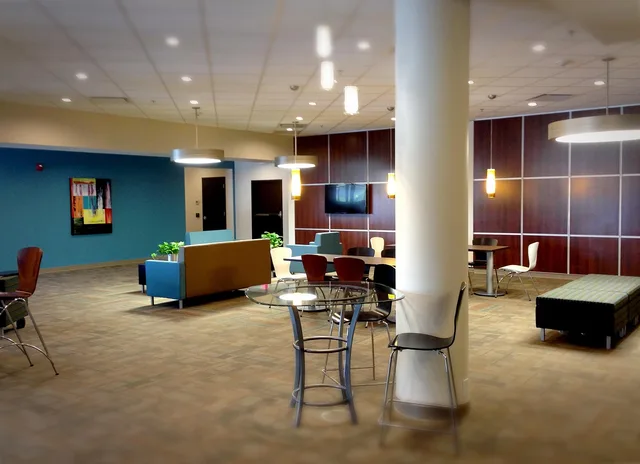
Rates below assume a 50,000-square-foot Class A office with five-night service and a day porter for two hours. Low numbers reflect a building with open floors and few restrooms. High numbers reflect high traffic, many common areas, or union wage requirements. If the building has large common areas or a cafeteria, move toward the high end of the table.
State-by-state illustrative bid table
The US Bureau of Labor Statistics publishes median hourly wages for janitors and cleaners by state. Use BLS wage data for janitors and cleaners as the most direct labor benchmark for a facility bid.
State bid ranges per square foot
California
- Low $/sq ft/month
- 0.09
- High $/sq ft/month
- 0.20
- Labor driver
- Prevailing wage rules
New York
- Low $/sq ft/month
- 0.08
- High $/sq ft/month
- 0.19
- Labor driver
- Downstate wage floors
Texas
- Low $/sq ft/month
- 0.05
- High $/sq ft/month
- 0.11
- Labor driver
- Large floor plates
Illinois
- Low $/sq ft/month
- 0.06
- High $/sq ft/month
- 0.13
- Labor driver
- Chicago union rates
| State | Illustrative low ($/sq ft/month) | Illustrative high ($/sq ft/month) | Primary labor driver |
|---|---|---|---|
| California | 0.09 | 0.20 | High minimum wage and janitorial prevailing wage rules in Los Angeles, San Francisco and Oakland |
| New York | 0.08 | 0.19 | Downstate wage floors and dense, high-traffic office stock |
| Texas | 0.05 | 0.11 | Lower median wages but large floor plates can raise labor minutes |
| Illinois | 0.06 | 0.13 | Chicago union hall rates and state minimum wage above federal |
These are planning ranges for a first pass, not a bid you can send. Add payroll burden at 20 to 30 percent and adjust for the county where the building sits.
What moves the number
- Labor rate and burden. A $1 per hour wage difference changes a monthly square foot rate by roughly $0.01 to $0.02 when one cleaner covers 20,000 to 25,000 square feet per shift. This effect is illustrative.
- Building density. More restrooms, kitchens and conference rooms add minutes per square foot. Two identical floor plates can differ by 30 percent if one has twice the restrooms.
- Frequency and scope. Nightly service costs about 40 to 60 percent more than three nights per week for the same square footage. Adding floor care or day porter hours pushes the rate toward the high end.
A walkthrough with the RFP scope in hand tells you which end of the band applies. The Commercial Cleaning RFP guide explains how to match scope to price without underpricing.
What quotes leave out
Payroll taxes, workers' compensation and unemployment insurance add 15 to 25 percent on top of hourly wages. Supplies such as paper, liners, chemicals and microfiber cloths typically cost $0.005 to $0.015 per square foot per month.
Hidden costs behind a low quote
- 15-25%Payroll taxes, workers' comp, unemployment
- $0.005-$0.015Supplies per sq ft per month
- $0.01Floor machine depreciation per sq ft
Equipment depreciation and repairs are not free. A single floor machine can cost $0.01 per square foot over its life. Account management, site inspections and travel between accounts are often buried in a low quote.
If a bid looks 20 percent below your market, one of these line items is missing. The BLS Quarterly Census of Employment and Wages tracks county and state payroll levels useful for estimating this burden.
Where people overspend
Owners overstaff during light traffic periods. A building filled with empty floors on weekends does not need the same crew as weekdays.
Rework from an untrained cleaner erases the savings from a lower wage. The commercial cleaning business employee checklist reduces these callbacks. Some contracts bundle floor care add-ons that the site does not require. Automatic price increases not tied to local wage data also waste margin.
Before you sign, mark up the contract so you know which square foot charges are fixed and which are pass-through. The Reading a Janitorial Facility Contract guide lists the line items to mark up.
Quality checks reduce rework. The how owners check the work guide shows the walkthrough scorecards that catch missed spots early.