Guides
Commercial cleaning services: the version that survives contact with reality
Commercial cleaning service packages: seventeen shapes described by scope, buyer, and trap, with a table of which suit a new operator and which should wait.
What to take away
Commercial cleaning services sold as packages survive when a named provider can deliver the scope and someone else can inspect it. These seventeen shapes are scopes with frequencies, not prices.
- These seventeen commercial cleaning services are package shapes, not prices. Each is a scope with a frequency a buyer can compare across buildings.
- Pick two to start, from buildings you can reach at night with the kit you own. The rest are for later, and several are for never.
- Every package states its inspection cadence, consumables policy, and exclusions. Packages that omit those churn.
- Periodic and one-time shapes are quoted per job with a walkthrough. Bundling them into a monthly figure is how they get done free.
- A package is real only when someone on staff can deliver it to a written standard and someone else can check.
How to read the list
Each entry names the scope, the buyer, the trap, and at least one real provider that sells it. Prices are not listed because a price that fits your wage and buildings is unknown here. Where a provider publishes a franchise fee or plan, that figure appears as a typical range.
The method that turns any of these into tiers is in how to build tiers from one scope. Their frame is the services and packages guide.
The seventeen commercial cleaning service shapes and the providers behind them
- Nightly office janitorial, five nights. Trash, restrooms, floors, kitchen. Bought by small offices and professional suites. Trap: consumables left unstated. Provider: ABM Industries, a publicly traded facility services company based in New York, staffs janitorial and engineering crews for large office portfolios.
- Nightly office janitorial, three nights. The same scope at lower frequency. Bought by low-occupancy offices. Trap: pricing it as three-fifths of five nights when restrooms still need the same time per visit. Provider: Jani-King franchisees buy territories from the Addison, Texas-based company; initial investments typically run $11,000 to $34,000.
- Weekly light service. One visit, full scope. Bought by very small sites and shared studios. Trap: the visit drifts to "whenever" without a fixed night. Provider: ServiceMaster Clean, based in Memphis, Tennessee, sells commercial janitorial franchises; initial franchise fees typically range from $20,000 to $50,000.
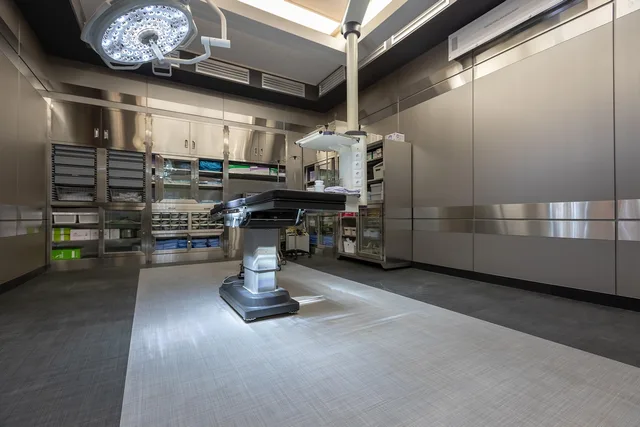
- Medical suite nightly. Office scope plus exam-room surfaces and restroom disinfection to the customer's written standard, with the customer's products. Trap: substituting a product, and claiming a standard you cannot show. Provider: Aramark, a Philadelphia-based facilities and food service company (NYSE: ARMK), runs facilities management for hospitals and clinics.
- Retail back-of-house. Stockroom floors, staff restroom, break area, after close. Bought by chain locations through a regional manager. Trap: access hours that change with the season. Provider: Coverall, based in Boca Raton, Florida, sells commercial cleaning franchises; franchisees pay an initial fee and ongoing royalties.
- Restaurant front-of-house after close. Dining floors, restrooms, entry glass. Kitchens excluded unless separately scoped. Trap: grease, and floors that need machines you did not bring. Provider: Anago Cleaning Systems, based in Pompano Beach, Florida, sells master and unit franchises for restaurant and retail cleaning.
- Warehouse and light industrial. Break areas, restrooms, offices, and wide floors with a machine. Trap: square-footage pricing on floors that have obstacles. Provider: Marsden Services, based in St. Paul, Minnesota, provides janitorial and facility services for industrial and warehouse sites.
- School or childcare after hours. Classrooms, restrooms, common areas, with product and background-check requirements set by the customer and your jurisdiction. Trap: assuming the requirements rather than asking. Provider: SSC Services for Education, based in Knoxville, Tennessee, provides janitorial and grounds for K-12 and higher education.
- Fitness facility. Equipment wipe-down, locker rooms, showers, high-frequency restrooms. Trap: moisture and the time locker rooms take. Provider: 4M Building Solutions, based in St. Louis, Missouri, takes on fitness and multi-tenant sites.
- Property management common areas. Lobbies, corridors, elevators, shared restrooms across a portfolio of buildings. Bought by one manager for many sites. Trap: route sprawl across the portfolio. Provider: Pritchard Industries, based in New York, serves property managers with lobby and common-area crews.
- Day porter. A person on site during hours for lobby, restrooms, spills, and event support. Trap: staffing a daytime post from a night workforce. Provider: Red Coats, based in Bethesda, Maryland, provides day porters for Class A buildings.
- Scheduled floor care program. Strip and wax or burnish on a calendar, per floor type, per site. Quoted per visit with an annual schedule. Trap: calendar slippage when nights are busy. Provider: Vonachen Group, based in Peoria, Illinois, offers floor care and janitorial for healthcare and manufacturing.
- Carpet care program. Extraction on a calendar with spotting between visits. Trap: drying time and complaints about it. Provider: Janitronics Facility Services, based in Albany, New York, provides carpet and floor care programs.
- Post-construction cleanup. Debris, dust, glass, and final detail, per job from a walkthrough with the general contractor. Trap: retention held until the whole project closes. Provider: Corporate Cleaning Group, based in Grand Rapids, Michigan, handles post-construction and move-in cleaning.
- Move-in and move-out commercial. One-time deep clean of a vacated suite for the property manager. Trap: scope creep into repairs. Provider: The Budd Group, based in Winston-Salem, North Carolina, provides janitorial and specialty services for property managers.
- Event support. Pre-event setup clean, during-event porter, post-event reset, per event. Trap: overtime and late-night labor availability. Provider: City Wide Facility Solutions, based in Lenexa, Kansas, franchises manage janitorial and event support for commercial clients.
- Add-on rows. Interior glass, high dusting, appliance detailing, and similar, sold to existing accounts as scope additions with their own frequency and price. Trap: ladder work at night without training. Provider: OpenWorks, based in Phoenix, Arizona, franchisees sell add-on services like interior glass and high dusting to existing accounts.
Which shapes fit a new operator
Fits a new operator when
- Nightly office (1, 2)
- You can reach five such buildings at night
- Weekly light (3)
- You want small early accounts near home
- Medical (4)
- A customer specifies and supplies the products
- Retail, restaurant, warehouse (5, 6, 7)
- One chain or manager can give you several sites
- Portfolio common areas (10)
- The sites cluster
- Day porter (11)
- A building can fill a shift
- Periodic programs (12, 13)
- A signed schedule funds the machine
- One-time shapes (14, 15, 16)
- You have hours to spare and estimating discipline
- Add-on rows (17)
- Sold to accounts you already inspect
Wait when
- Nightly office (1, 2)
- Your labor pool is thin for nights
- Weekly light (3)
- It pulls the route apart
- Medical (4)
- You would be guessing the standard
- Retail, restaurant, warehouse (5, 6, 7)
- Floors need machines you do not own
- Portfolio common areas (10)
- They sprawl
- Day porter (11)
- Half-day posts only
- Periodic programs (12, 13)
- The machine would idle
- One-time shapes (14, 15, 16)
- You need recurring revenue first
- Add-on rows (17)
- Sold to win a new account
The buildings that suit a new operator in the first place are covered in which markets suit a cleaning business; whether a chosen shape is earning after a quarter is tested with the service-line profitability protocol.
Three lines every package needs
- Consumablescustomer-supplied, pass-through at cost plus a stated allowance, or included with a usage history behind it.
- Inspection cadence: how often a supervisor checks, and how a missed item is reported to the customer before the customer reports it to you.
- Exclusionsregulated waste, kitchens, exterior work, repairs, and anything else the buyer might assume.
Records tie the three together. The IRS page on what records a business should keep describes documents that support income and expenses; the same filing, by account and package, is what lets you see which shapes on this list actually earn on your route.
Claims, safety, and equipment
The name of a package is a claim. The Federal Trade Commission's advertising guidance for small businesses says advertising claims must be truthful and supported, so "sanitized" and "hospital-grade" are words to avoid unless the scope names the standard and the product.
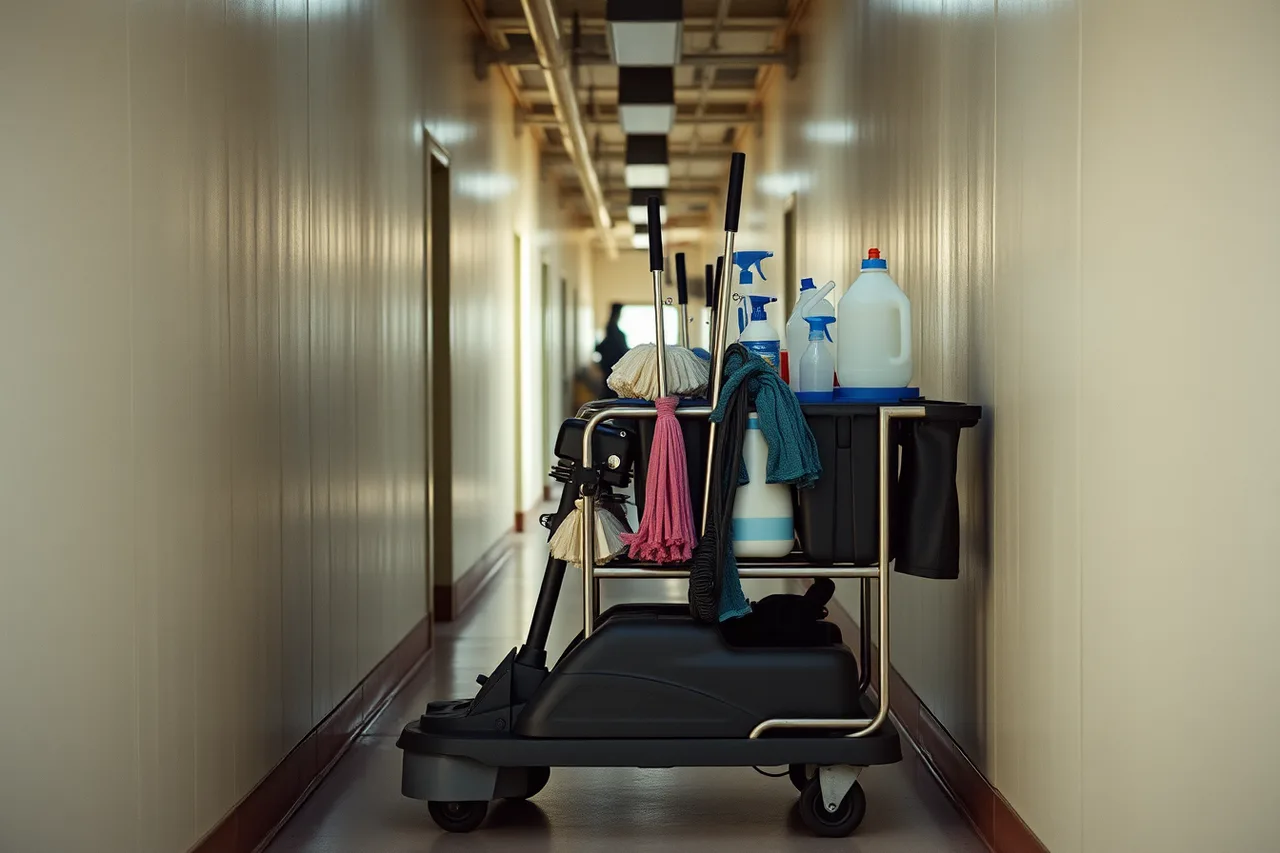
Several shapes above change the hazards your crews meet. OSHA's cleaning industry page lists the hazard categories the agency associates with this work and links to the standards. Use it to build questions before selling a clinical, industrial, or ladder-work shape.
And each shape commits you to kit: the equipment and setup guide says what each requires and what can wait.
Common questions
Should I list all seventeen on my website?
No. List the two or three you deliver and inspect. A long menu invites requests you cannot supervise.
Can one crew deliver nightly janitorial and periodic floor care?
Often, with training and a calendar someone owns. The failure is the calendar, not the crew.
Which shape has the best margin?
Unknown from a page. Test it on your route for a quarter with the protocol in this cluster.
What if a buyer wants a shape not on the list?
Write it as a scope with frequencies, price it from a walkthrough, and treat it as number eighteen. The list is a starting point.