
Guides
Industrial cleaning contracts in Saskatoon's mining and agri-food plants
Saskatoon plant cleaning contracts price degreasing, certification and waste handling around production shifts, not office janitorial routines.
What to take away
- Industrial scopes in Saskatoon split by soil, not by building: mineral dust, hydraulic oil, blood, flour and sugar each need a different chemical and method.
- WHMIS 2015 training, safety data sheets and site orientation are conditions of entry at most plants, not extras you add later.
- Wastewater, grease and solvent disposal falls under Saskatchewan environmental rules, and the contract should name who hauls what.
- Price from labour minutes, chemical cost and disposal fees per visit, never from a competitor's monthly number.
What Saskatoon plants buy that office janitorial does not cover
Saskatoon sits between potash mines to the east, uranium operations further north and an agri-food belt that handles grain, pulses and meat. Equipment and crews pass through the city for maintenance, and the plants themselves run continuously.
That mix produces soils an office cleaner never meets. Potash dust is fine, alkaline and abrasive. Uranium sites add contamination controls. Grain handling leaves flour and starch that turn to paste when wet. Meat processing leaves blood and fat that set on cold concrete.
Each soil dictates the chemical, the dwell time and the tool. A crew that arrives with one all-purpose product will either etch a surface or leave a film the plant's own swab test catches.
Contractors also inherit documentation duties. Plants ask for training records, safety data sheets and certificates of insurance before a single worker badges in. The Saskatchewan government publishes operational expectations for agriculture, natural resources and industry businesses at Agriculture, Natural Resources and Industry.
Industrial work is one of the most profitable commercial cleaning services in the province, and it holds that margin only when the scope names the hours, the chemicals and the disposal route.
Degreasing and heavy-duty cleaning by surface and soil
Degreasing is the core task. Mining equipment carries grease, hydraulic fluid and grime. Food plants carry animal fats and oils. Neither yields to a neutral floor cleaner.
Match the method to the surface. Concrete in a maintenance bay takes a ride-on scrubber with an aggressive pad, then a squeegee pass. Painted metal takes a solvent-free degreaser and hand work. Aluminium takes a mild mix, because a strong caustic etch is permanent.
In food plants, only products approved for food-contact environments are allowed, and the plant's sanitation lead decides which. Confirm the approved list before you quote the job.
Slip risk drives the sequence. Oily concrete in a maintenance bay sends workers to hospital. Crews apply absorbent, degreaser and scrubber in order, then dry the floor before the shift returns. Handing back a wet floor when production restarts is a contract-ending mistake.
Degreasing and heavy-duty cleaning
| Area | Typical frequency | What sets it |
|---|---|---|
| Wash bay | Daily degreasing | Road salt, mud and mineral dust tracked off equipment |
| Maintenance bay | Daily to five nights a week | Grease, hydraulic oil and repair grime |
| Storage aisle | Weekly | Dust and packaging debris, little oil |
| Food-contact zone | The plant's sanitation schedule, often daily or each shift | Blood, fat and allergen control |
A written SOP checklist for daily operations keeps that sequence identical from crew to crew, which is what plant managers notice first.
Safety certification and crew training before badge-in
Industrial sites carry hazards a commercial office does not: moving machinery, energized panels, confined spaces and process chemicals. Saskatoon contractors train staff on site-specific hazards, and most plants require the training before access.
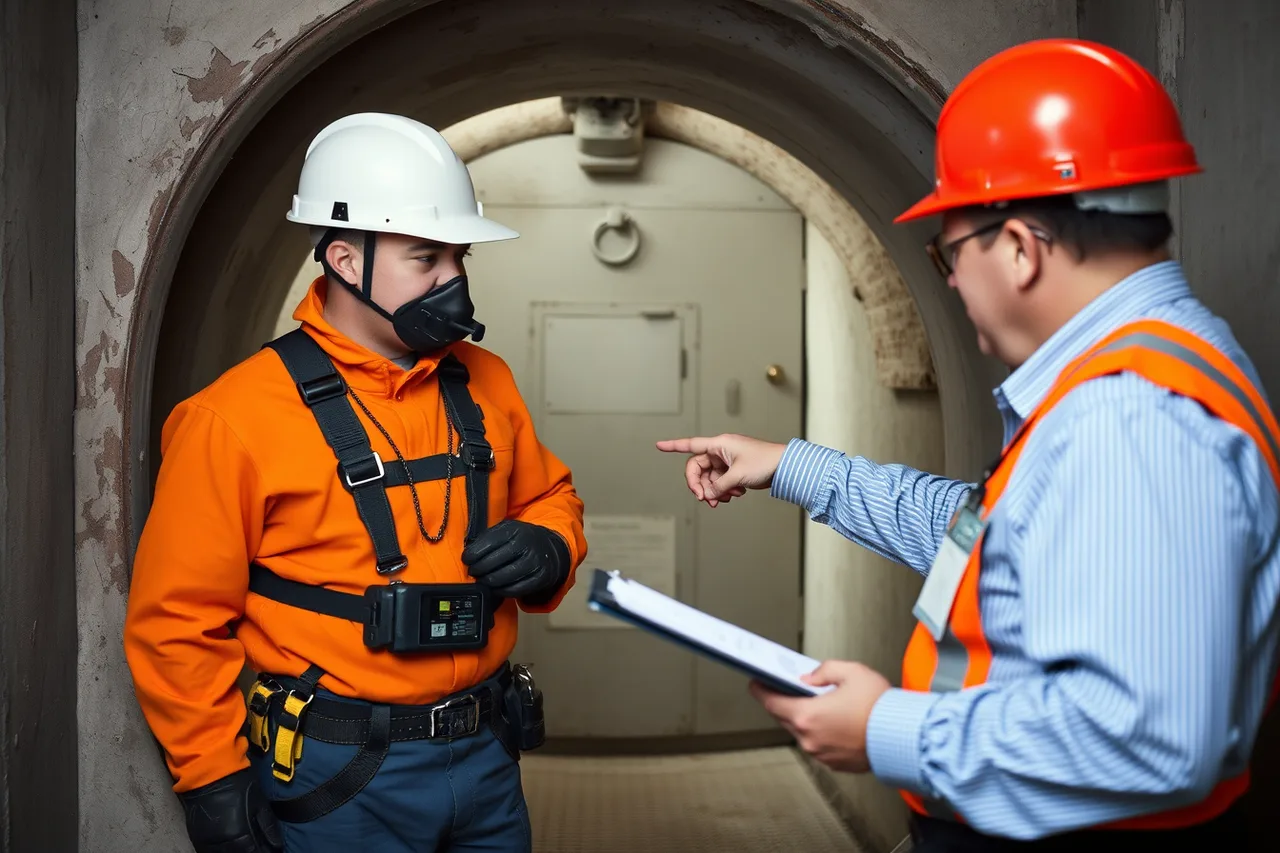
WHMIS 2015 is the baseline for anyone handling hazardous cleaning products. The CCOHS sets out the label, safety data sheet and handling duties at CCOHS: WHMIS/GHS/SDS.
Plants add their own requirements. Fall protection, confined space entry, lockout/tagout awareness and respiratory protection appear often. Each site runs its own orientation, and a certificate from one plant does not transfer to another.
A typical WHMIS 2015 course runs about four hours, and site orientations commonly run one to three hours before a worker's first shift. Fall protection and confined space duties sit in Saskatchewan's Occupational Health and Safety Regulations.
Scheduling carries a second layer. Saskatchewan employers hold duties under the provincial employment standards framework, and workers' compensation coverage applies to every hour on site. Night work and long shifts trigger overtime and rest rules that a contractor scheduling around production can miss until a payroll audit surfaces it.
Keep training records, certificates and incident reports in one file per worker. Clients audit them at renewal, and insurers ask for the same documents when premiums are set. Equipment choices that support safe work, from scrubbers to wet vacs, are compared in this commercial cleaning equipment guide.
Saskatchewan environmental rules for wastewater, grease and solvents
Cleaning water from an industrial site cannot go to a storm drain. It is contained, sampled where required, and disposed of through an approved route. Saskatchewan's environmental branch publishes the requirements at Environmental Protection and Sustainability.
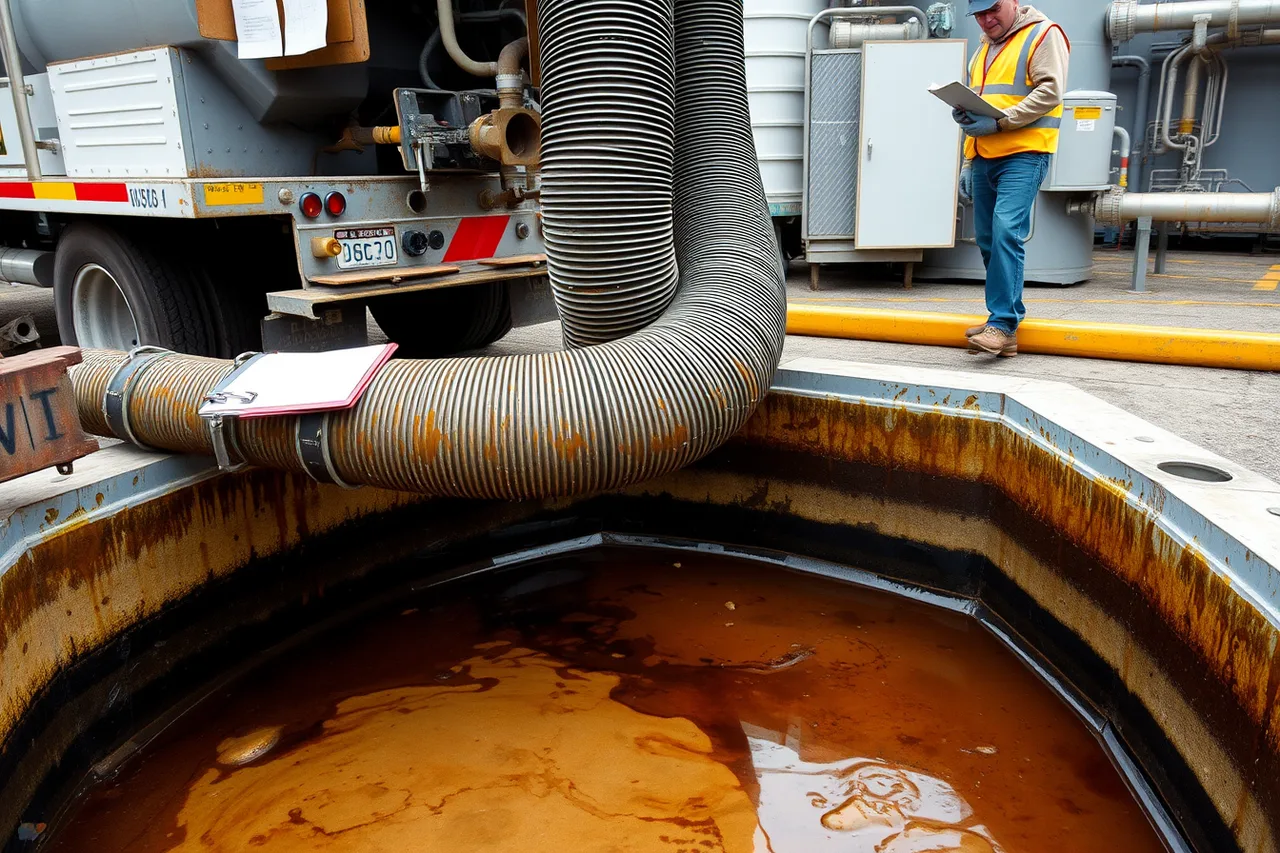
Grease and oil are separated before disposal. Solvent-based degreasers follow a different stream again, and some products are restricted outright. Confirm the accepted streams before you sign a contract that promises removal.
Spill response belongs in the scope. A dropped pail of degreaser on a loading dock can reach soil and surface water. Crews carry spill kits, and larger releases carry reporting duties under provincial rules.
Assign responsibility in writing. The contract should say who hauls waste, who holds the manifest, and who pays when a load is rejected at the receiving facility.
The regulator is the Saskatchewan Ministry of Environment. It administers the Environmental Management and Protection Act, 2010, and hazardous waste storage, transport and manifest duties sit in Saskatchewan's Hazardous Substances and Waste Dangerous Goods Regulations. The manifest travels with the load and names the generator, the carrier and the receiving site.
Keep the paper trail: manifests, drain logs and chemical inventories. Inspectors and plant auditors ask for them together. On the internal side, commercial cleaning quality control is how an owner confirms the paperwork matches the work actually done.
Solid waste goes to the City of Saskatoon's Regional Waste Management Centre. Liquid loads such as interceptor grease and wash water go to licensed private receivers, and each receiver's permit sets the waste codes it accepts. Check capacity before you commit to a volume you cannot place.
Chemical handling and dilution control on site
WHMIS 2015 aligns Canadian workplace chemical rules with the Globally Harmonized System. Every hazardous cleaning product needs a compliant label and a safety data sheet, and workers must be trained to read both. The CCOHS covers chemical hazards at CCOHS: Chemicals.
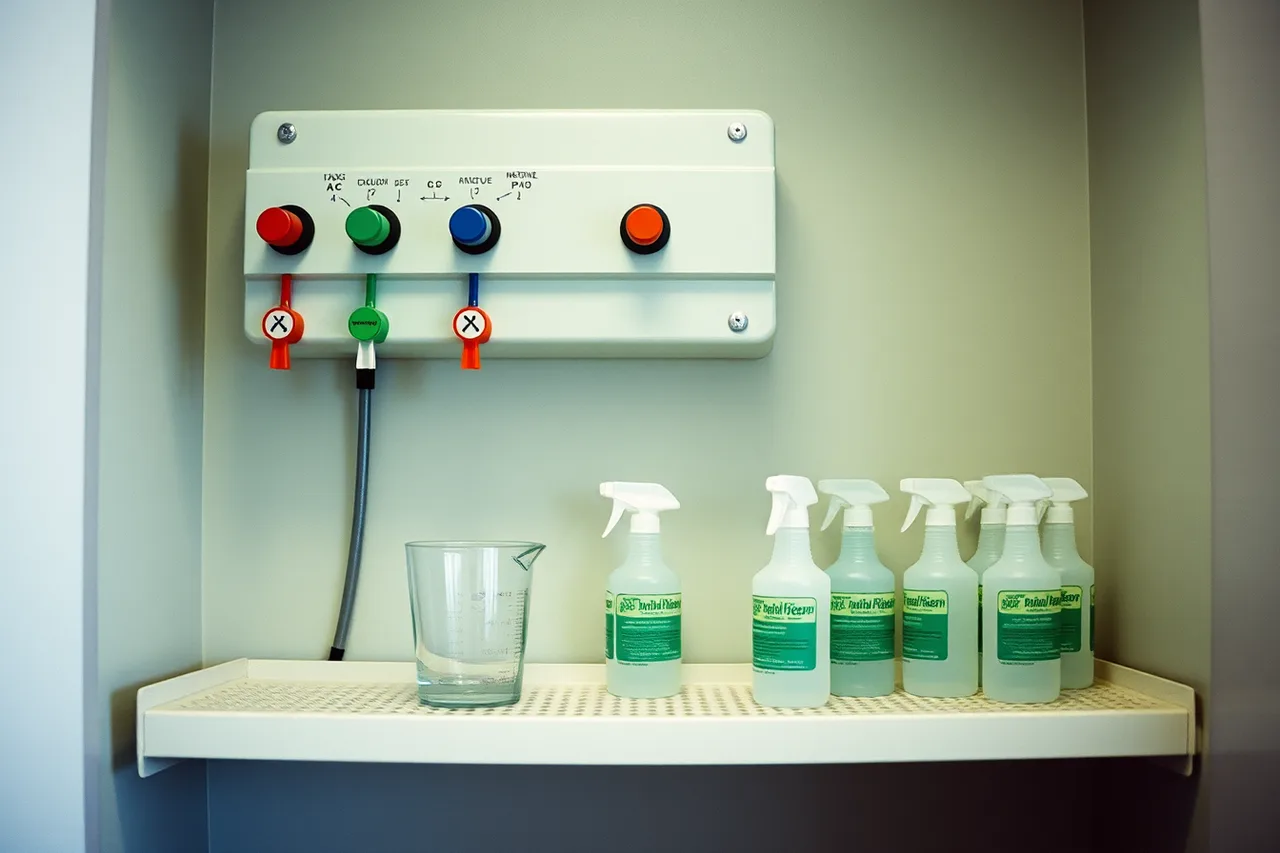
Plant settings complicate handling. Cleaning chemicals can react with production materials, ventilation is often limited, and personal protective equipment is frequently required. Assess each task before the crew starts it.
Dilution is the practical test of a crew. Too strong a degreaser etches aluminium and strips paint from equipment frames. Too weak a mix leaves a film that a plant's swab test finds. Measure every secondary container and label it.
Safety data sheets must be reachable on site, in a binder or on a tablet. They carry first aid, firefighting and spill instructions that a worker needs in the first minute, not the first hour.
Refresh training when a product or process changes. WHMIS 2015 is an ongoing duty, not a certificate you file once.
Writing the contract: scope, frequency and pricing
The scope of work lists every area, from production floor to locker room, with the method and the approved chemical for each. Frequency sits beside each line, because "as needed" is not a schedule.
Price from the work, not from a competitor's number. Build each visit as labour minutes times the loaded hourly rate, plus chemical and consumable cost, plus disposal fees, plus travel between sites.
The loaded rate should carry wages, payroll burden, workers' compensation premium and non-billable supervision time. Substituting your own figures into those variables gives a floor below which the contract loses money.
Scope creep is the usual failure. A plant adds a lunchroom, a control room or a wash bay without changing the fee. Write a clause that prices additions outside the agreed schedule, and decide early how to package commercial cleaning services when one client wants several buildings under a single agreement.
One wording that holds up: "Work outside the areas and frequencies listed in Schedule A will be quoted at the rates in Schedule B before it starts."
Set the term and the exit. Industrial clients often want a one-year term with a thirty-day termination clause. Price the first quarter higher when mobilization, training and equipment purchases land up front. Tie renewal to inspection results rather than goodwill.
Reference the provincial framework for worker rights at Employment Standards, and have a licensed employment or business lawyer review the terms before signing. Contract language, classification and termination clauses vary, and this article does not give legal advice.
A worked example of the arithmetic
A plant wants its maintenance bay degreased five nights a week. Two workers, three hours each, is six labour hours a visit.
A loaded rate for industrial work in Saskatoon typically falls in a range of 32 to 42 dollars an hour once wages, payroll burden, workers' compensation premium and supervision are carried. At 35 dollars an hour, labour is 6 times 35, or 210 dollars a visit.
Degreaser, pads and absorbent add about 45 dollars a visit. Disposal of the captured wash water typically runs 0.40 to 0.80 dollars a litre at a licensed receiver, with a minimum charge per load. At 0.50 dollars a litre, a 150 litre load is 75 dollars. Travel between sites adds about 25 dollars.
Cost per visit is 210 + 45 + 75 + 25 = 355 dollars. Multiply by the number of visits in the term, add mobilization for training and equipment, then apply your margin.
Five visits a week over 50 working weeks is 250 visits, or 88,750 dollars before mobilization and margin. The point of the model is that a monthly price quoted without those four numbers is a guess.
Before you sign
- Scope lists every area, method and approved chemical.
- WHMIS 2015 and site-specific training are named as conditions of access.
- Waste streams, hauling responsibility and manifest custody are assigned.
- Spill response equipment and reporting duties are written in.
- Labour minutes, chemical cost and disposal fees support the price.
- A lawyer has reviewed the term, termination and liability clauses.
Common questions
What certifications do industrial cleaning crews need in Saskatoon?
WHMIS 2015 is the baseline for anyone handling hazardous cleaning products. Most plants add fall protection, confined space entry and their own site orientation, and a certificate from one site does not transfer to another.
How often should degreasing be done in a mining plant?
It depends on production intensity and on how fast the area soils. A wash bay or maintenance bay may need daily degreasing, while a storage aisle holds at weekly. Put the frequency per area in the contract rather than agreeing it verbally.
Who is responsible for waste disposal under Saskatchewan rules?
The contract decides that, and it should say so in writing. Whoever hauls the waste holds the manifest and answers to the province's environmental branch, so confirm the receiving facility accepts the stream before you sign.
Can office janitorial staff clean an industrial plant?
No. Industrial work needs different chemicals, different equipment and hazard training that office cleaners do not carry. A crew without WHMIS 2015 training and site orientation cannot legally handle cleaning chemicals on most plant sites.